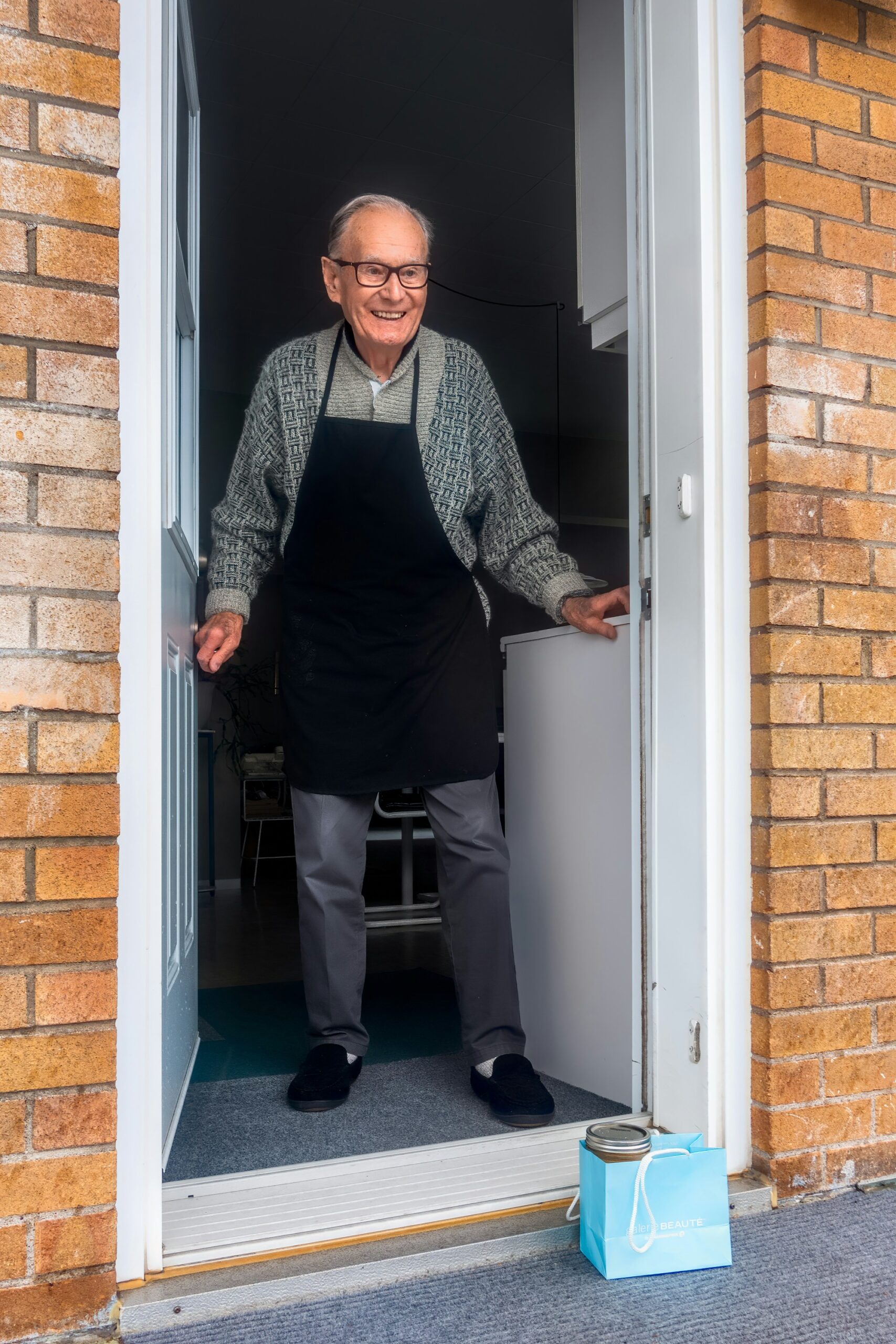
Growing up snub-nosed, red-cheeked and below average height, I looked young for my age. And have stayed that way into my seventh decade, though confirmation of that is now needed from more than one source. In earlier years there was no doubt: “I am sorry, son, but this film has a 4-12 age restriction.” No need to say more to a fourteen-year boy who, with friends standing round tickets in hand, wants the earth to open up and swallow him. That my cheeks grew redder and my ears scarlet did not help – too young for an ID and with no parent to intervene – I just hated my looks.
And it stayed that way throughout those adolescent years: status at school was reckoned by how mature you looked, hair growing in all the right places, how many times you had been admitted to a 4-16 movie or a club and, holy of holies, had gone all the way. Boarding school shielded me from further humiliations: except for the hours between breakfast and supper on a Sunday, when we were allowed home, all my time was spent at school, a built-in excuse not to be at the “in-places” which would have kept me out.
It didn’t help with the girls, either. Just as boys wanted to look older, so the girls wanted an older guy, either in looks or, better still, in actual years. Boarding-school to the rescue again, though holidays were sometimes a bit of a challenge. One benefit of my conscription after school was that though my army haircut made me look even younger, my uniform attested to being old enough to buy cigarettes and alcohol. After the army came university where identities became more complex. Looks didn’t really matter: what you said and did made you cool.
Back to school – teaching this time. Yes, it is a bit of a challenge, confirmed when, after having sat in on my lesson the senior inspector calls me aside: “Meneer Graham, you have the disadvantage of looking very young.” (I think he would have liked to say “too young”, but the need for teachers was dire.) Not that I didn’t know: some matric boys in my class looked older than I.
My mother’s words: “Don’t worry, you’ll be happy to look young when you get older.” was my first paradox. That I was a good deal happier at our first Matric reunion, twenty-five years after we had parted company, was mainly due to other factors, but I cannot deny feeling rather pleased that I was immediately recognisable, unlike some grey-haired, balding and rather ample Old Boys, where a whispered, “Do you know who that is?” was required.
Some people are scared of ageing. It’s not death they fear but the impression of what it is to be old: smaller, grey, hunched, hearing-aided and stick-propelled. Does the slogan “Grey Power” convince anyone? The elderly, those waiting in the departure lounge, are gathering dust, trying their best to live the cliches about age being just a number and that you’re only as old as you feel.
At a funeral I attended recently the minister, in his welcome, looked over my head and added rather excitedly, “I would like you to know that we have someone here who is over a hundred years old – or should I rather say young!” I began to turn. And then stopped. It felt wrong, almost like game-viewing. Was a hundred-yearer a sight to behold, to gawk at?
Ironically, a centenarian loses the connotations of grey and dusty, becoming an object of admiration. They get featured in the local paper and are asked to which habits they attribute their longevity. Moderation, a good family life, keeping busy come up. But what they do not admit is perhaps the real reason: pride. Being told you look much younger than your age carries more and more weight the older you get and boosts the years. You are not letting life get the better of you, you have adopted a good lifestyle and kept yourself in trim. Most important, you are doing much better than your peers whose luggage is being weighed whereas you are still travelling light on spaceship Earth. These commendations are self-reinforcing: you cannot let your track record slip, you just must keep on keeping on.
A pursuit of longevity is of pressing concern for those who hold that there is no life after death and reckon that the only reasonable purpose in life is to enjoy it to the maximum. This requires effort: polishing the flesh for both health and looks, making sufficient money to do the things you enjoy and not stopping till they are done. Death comes with no side effects so just keep on living the way you want to the max. It’s a rational view with which I have no argument, but I do not hold it, not only out of my religious faith but owing to the brief experiences of some terrifying moments when I conceived of myself as no longer here, or my no longer being. A lift floor had opened and below it was a depth and emptiness which no activities, no lived life could fill. It was beyond life, bigger than the me with whom I was filling my time here on earth. It is the unknown but it is there.
Thanks to Andre Ouellet of Unsplash for the image

I’m in my eighth decade (that is to say, I’m in my seventies) but I hope to live a while yet, because I’m still learning. Each year I look back on the year past, and think, “I knew so little then,” and next year I’ll look back on now, and think, “I knew so little then!”
I too always looked far younger than my age, well into my forties, even my fifties. Like you I was fresh faced and rosy cheeked. In fact, I only truly began to age (and gosh, how I suddenly began to age!) once I reached 65. Now I am old, ill, frail, far older in appearance, I dare say, than you, dear friend.
Growing old is a challenge once the body begins to let you down. I have begun to remark, “You have to be tough to grow old,” as I talk to someone of my age who has recently been through a horrible hospital stay, or undergone drastic surgery, or lost the use of one eye. I am familiar with the first two, and have had hideously painful eye surgery, then had to drive myself home with only one eye working, across the breadth of Alba: yes, weaklings wont grow old. They wont be tough enough to cope with what growing old entails.
There are of course God’s favourites, those few who never grow old: illness and physical degradation are strangers to them. I have known old people like this. I am not one of them.
But thank God, I am still learning every day, and despite it all, life is worth living, because I have loved learning all my life, and I love it still.
God bless you, jou ou toppie!