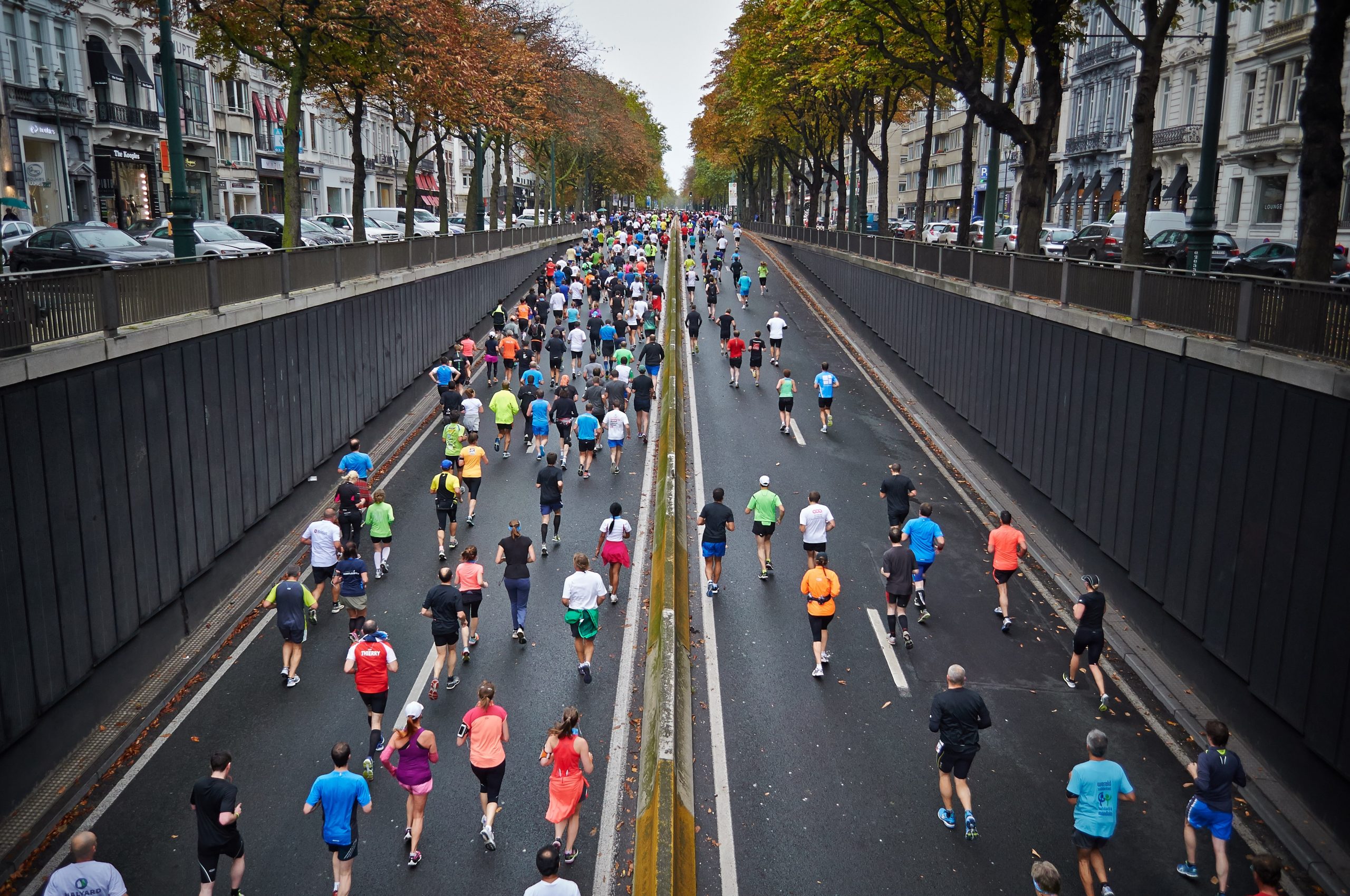
I’m not a serious runner. If you are, stop reading as this article isn’t going to explain the critical moment when a runner calls it quits, throws the shoes to the dog that’s being eyeing them for years. Nor is it about that fatal injury to the system that relegates one’s running days to history. It’s all about stopping on the road.
Now, if you are trail runner and roads are anathema to you, don’t stop reading because this can apply to all who take it into their head that they are going to try to convince the body that running is preferable to simply walking. This requires some convincing: why choose to run a route on which you would not choose to walk? Running for the sake of running is, unless you are almost freakish, unnatural. Furthermore, when a runner’s body wants to stop, his mind won’t let it, unless…. . Yes, when are the times when stopping is the right thing to do?
A forced stop tops the order. Both body and mind are okay with it, especially the former. Take having a porcupine cross the road ahead of you, for example, as has happened to me when running in a leafy suburb of Cape Town. Stopping is not only wise but also wondrous as this ungainly beast shambles its cargo of black-and-white quills across the road. He who stops and runs away, lives to run another day has applied to situations of encountering a swarm of bees and, once on a farm road one early morning, a dog which looked as if it also had yet not had breakfast.
In these cases, the stop is for one’s own safety, but there are also those on behalf of others. Easiest is when you happen to be jogging along, minding your own business, and a car pulls up, drops the window and a rather apologetic stranger asks directions to a location (not everyone has GPS available). Remember, on no account must you show that you are only too pleased for the relief: the apologetic approach is due to thinking that he has interrupted your beautifully rhythmic running. You must complement it with a gracious and comprehensive set of instructions, throwing in a few alternative routes for good measure. Feeling good that you have managed to help, you then take off at the whippet pace which the stop has allowed, at least until they are out of sight.
Talking of whippets, what about a dog which happens to join you on your run, out of nowhere, and adopts you as its running mate and owner-to-be ? The solution will be found on the collar of the pup (tends to be a pup, probably Labrador) but it won’t let you get close enough to have a look at the details. Finally, after stopping and cajoling it to trust you, its name and number are revealed. Next stage is finding its home, but it’s likely that, for security reasons, there is no address, only a cell number, but you don’t run with your phone, also for security reasons. By now your run has flatlined, your body’s gone cold and the bells you’ve rung have managed to wake up people who now wish they had a dog they could set on you, seeing as you like to run. In the case of the Labrador pup, my run ended up in its owner’s car – bringing me home so that I could make it to work on time.
I run in the early morning to avoid traffic and its fumes and, most importantly, to enjoy the day at its freshest. Seldom do I have to stop for traffic, but I do see those who do – a legitimate reason. There’s this automatic grab at the wrist to stop the time, a running-on-the-spot routine begins (the keen ones) and a welcome rest for the less keen. Other traffic stops might not be part of one’s routine, but can happen. An accident, for example. One morning I witnessed an altercation between some cyclists and a mini-bus and its passengers. No one had been injured, but some ugly emotions and words were being expressed by both parties. Not having seen the actual circumstances leading to this situation, I could not arbitrate, but needed to intervene to prevent an escalation of conflict. I was a neutral third party, but it was my sweaty, unthreatening appearance in vest and frayed shorts that disarmed both sides: the situation soon calmed down and both went their separate ways shortly after.
Another good reason for stopping is conversation. Note, stopping, not conversing while running (that is the sign of someone who does not understand that there are runners who do not carry one spare breath in the bag – avoid such people). If conversation happens, it must be civilised, standing and enjoying both breath and company. Yes, company is the key factor. But one does not stop to catch up with any old jogger: it’s only when you’re out running and someone you haven’t seen for years comes past you (hopefully not) or towards you (better) and you recognise each other. Spontaneous stop. Spontaneous conversation. “Carry on, I’ll catch up later,” you shout to your running companions if you are in a group, knowing that they’ll wait round the next corner. Taking a break when this happens is compulsory: reconnecting by happy chance with an old friend gives you energy for the rest of the run and a story to tell. This has even happened with me and a cyclist, though the recognition came from the cyclist as their fandangling get-ups are not designed for an identity parade.
The stops mentioned so far are legit and largely welcome. There are, however, those which are forced and unwelcome. Top of the list is the toilet, annoying but necessary. It’s not so bad when on a casual run, but when it happens in a race, though, it’s the pits. The whole idea behind run-ning is to get your legs, not your bowels, moving.
For most, injury is what brings a run to a shuffling stop. No one wants this, but sometimes it has to happen. The pain barrier can be run into, overcome for a time, perhaps, but will get you in the end. The result is being off running for protracted periods, undoing the damage which your mind did to your body in forcing it to continue when it did not want to. Something was wrong.
It takes some discernment to know when stopping on a run is the right thing to do. No doubt a longer catalogue of when it is not okay to stop on a run could be written, but some runners need encouragement, not guilt, to reach that dreamed-of state of enjoying running.


